
Z movies pose a definitional problem that French-speaking critics have never really resolved. The term does not encompass B movies (modest but professional productions), nor “nanars” (failed films that become comical despite themselves), nor mockbusters (opportunistic copies of a blockbuster). A Z movie is primarily characterized by a budget so low that the lack of resources permeates every shot, from the set to the actors’ performances, until it becomes a fully-fledged visual signature.
Production economics of Z movies: what the budget dictates during filming
A Z movie does not have a standard technical team. The director often also serves as the cinematographer, editor, and sometimes the lead actor. The casting relies on amateurs or actors at the beginning of their careers, rarely paid at union rates.
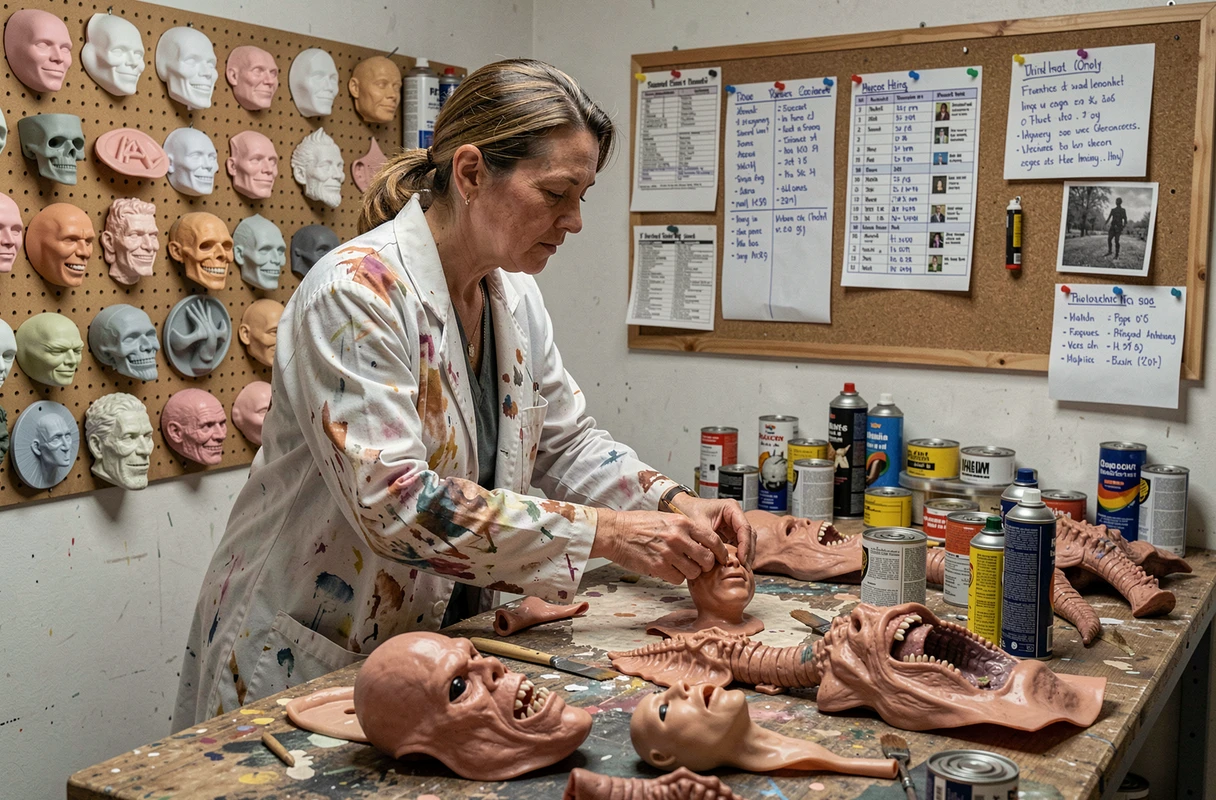
Filming is concentrated over a few days, in free natural settings or domestic interiors. No studio rentals, no heavy machinery. The special effects, when they exist, are the result of DIY craftsmanship: cardboard models, food-grade fake blood, homemade costumes. This material constraint produces a recognizable aesthetic, where every technical flaw becomes a stylistic trait.
Post-production follows the same logic. Sound mixing remains rudimentary, music often comes from royalty-free libraries, and color grading is kept to a strict minimum. We observe that this radical economy distinguishes Z movies from low-budget independent films, which generally maintain a professional technical foundation even with limited resources.
The site Série Z catalogs and documents this type of production, offering a useful overview for those who want to explore beyond the most well-known titles.
Z movies and nanars: a persistent terminological confusion in Francophone cinema
English-speaking critics refer to Z movies to designate a budgetary category. In France, the term Z movie mixes aesthetic judgment and economic reality, blurring the boundaries with other labels.
A nanar, as defined by the site Nanarland, is a film whose ambition grotesquely exceeds the means or talent of its creators. A nanar can be expensive. Conversely, an ultra-low-budget Z movie can be fully aware of its limitations and play with them. Unintentional comedy is not a sufficient criterion.
The mockbuster, on the other hand, copies a successful title to take advantage of its visibility. The Asylum, a specialized American studio, produces films like Mega Shark vs. Giant Octopus that borrow the codes of Z movies through their rudimentary production, but are part of a calculated commercial strategy. A mockbuster is not a Z movie by accident; it is a Z movie by industrial calculation.
This distinction matters to cinephiles who seek the authenticity of the creative gesture rather than marketing cynicism. Lists that merrily mix these categories miss what makes each family of films unique.
Ed Wood and Plan 9 from Outer Space: anatomy of a canonical Z movie
Plan 9 from Outer Space, directed by Ed Wood in 1959, remains the absolute reference when talking about Z cinema. The film tells the story of an alien invasion led by the resurrection of corpses. Its ridiculous budget is evident in every sequence.
- The flying saucers are plastic plates filmed against a black background, with visible strings on screen
- Actor Bela Lugosi, who died during filming, is replaced by a stand-in who hides his face behind a cape with no effort to resemble him
- The cemetery sets oscillate between papier-mâché and exteriors clearly filmed in a private garden
- The script accumulates narrative inconsistencies, with day and night scenes alternating illogically within the same sequence
Dubbed the “worst film ever made,” Plan 9 paradoxically ensured Ed Wood’s posthumous fame. Its story inspired Tim Burton’s biopic in 1994, with Johnny Depp playing the director. The canonical Z movie owes its survival to its author’s sincere attachment to cinema, not to an ironic stance.
Contemporary Z movies: between streaming platforms and online communities
The circulation of Z movies has radically changed with digital technology. Where one once had to frequent specialized video stores or flea markets to find an obscure VHS, streaming platforms and dedicated YouTube channels make these works accessible in just a few clicks.
CANAL+ and other broadcasters now use “Z movie” as an editorial label in their recommendation sections. The term functions as a genre in its own right in navigation interfaces, alongside comedy or thriller. This normalization alters reception: the Z movie shifts from the status of a marginal curiosity to that of a consumption category.
Online communities play a comparable role. Sites like Nanarland or Cinétrange maintain an active critical memory, with detailed reviews that place each work in its production context. These community platforms distinguish the sincerely cobbled-together film from the cynical product, a nuance that recommendation algorithms do not capture.
Z movie gems to discover: beyond the overhyped titles
Lists of Z movies often revolve around the same titles. Plan 9, Toxic Avenger, Asylum productions. Exploring further requires interest in local scenes and short films.
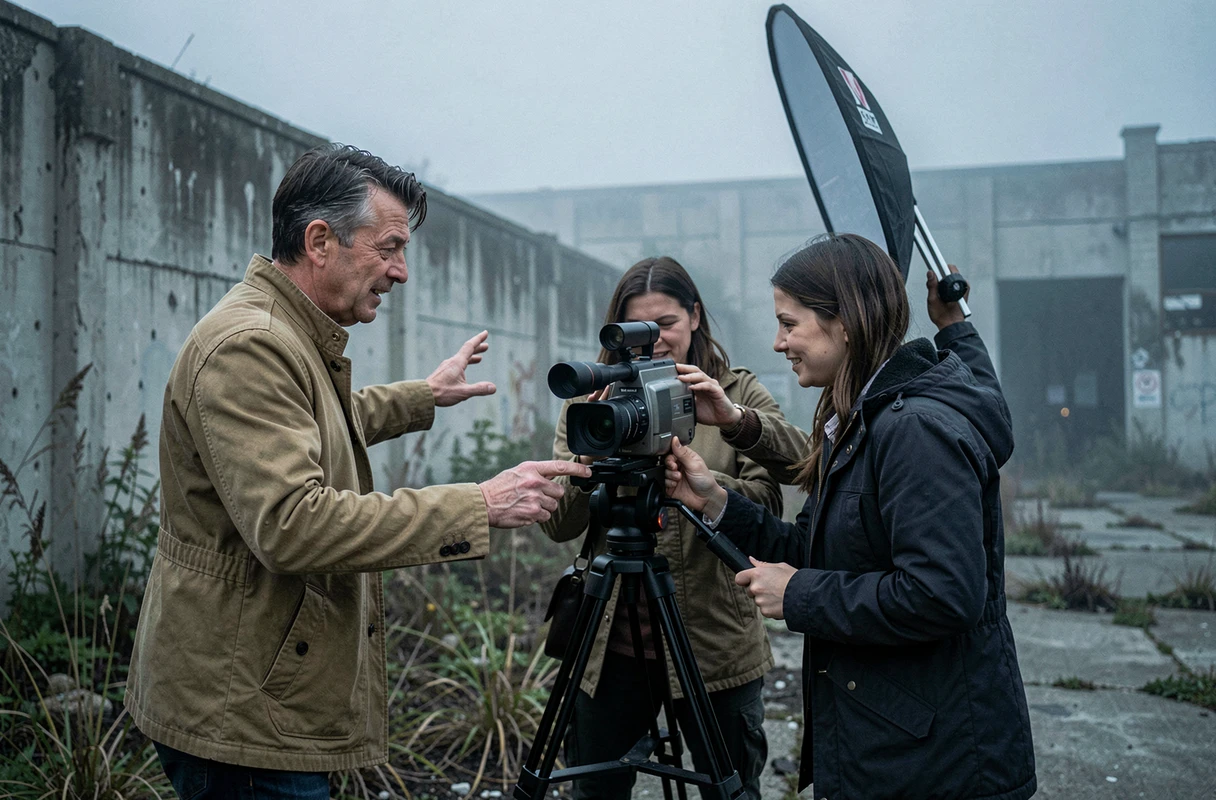
In France, independent filmmakers like those documented by Cinétrange produce films with nearly zero budgets, often around Montpellier or other provincial towns. These artisanal productions, shot among friends with consumer-grade equipment, extend the tradition of Z cinema with a genre awareness that American pioneers did not possess.
The value of a Z movie is not measured by its technical quality but by its ability to transform its constraints into creative choices. A failed set can become an atmosphere. An awkward actor can embody an unforgettable character. It is this unpredictable alchemy that continues to attract cinephiles to works that the film industry prefers to ignore.
The next memorable Z movie is probably being filmed in a garage somewhere, with a consumer camera and three volunteer actors. The only question that matters: will someone eventually find it?