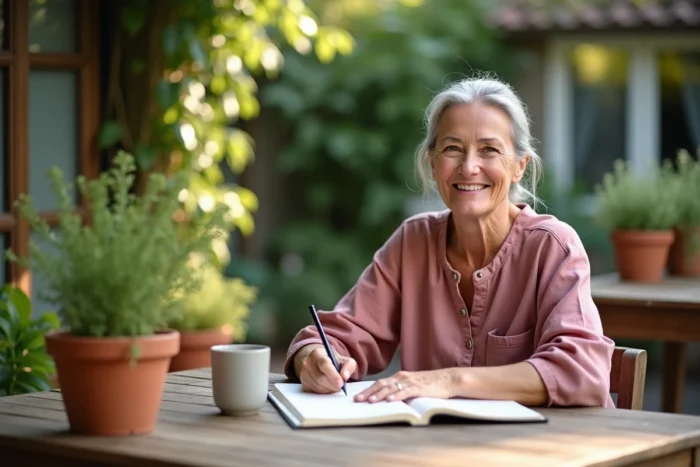
After 60, daily life changes pace, but not intensity. The transition to retirement, family reorganization, or a move forces one to rethink habits, sometimes overnight. Building a fulfilling life after 60 relies less on grand principles and more on concrete adjustments, tested over the weeks.
Slow tourism and micro-adventures: senior outings on the rise in 2026
One could book an organized tour to the other side of the world. In reality, field reports show something different: local micro-adventures are increasingly appealing to seniors. Getaways of two or three days, groups limited to about ten participants, itineraries just a few dozen kilometers from home. Local slow tourism is the major trend for senior outings in 2026.
This format addresses three real constraints: controlled budget, safety, and social connection. There are theatrical visits, collaborative writing workshops, and enhanced book clubs. Cultural activities become interactive, stimulating both autonomy and cognitive health.
Resources like jeune-senior.net help identify these new activities tailored to each profile, whether looking for a local outing or a more structured stay.
Learning after 60: choosing skills that serve daily life
Learning for the sake of learning is enjoyable. Learning something that solves a concrete problem is sustainable. After 60, the most useful new skills are those that enhance autonomy: mastering video conferencing to stay in touch with family, understanding online health insurance statements, managing medical appointments on a digital platform.
Online learning offers a flexibility that in-person training does not always provide. One can progress at their own pace, go back, and choose their schedule. Feedback varies on this point, with some preferring the social dimension of in-person classes.
What to start with concretely
- Identify a daily task that poses a problem (scanning a document, using a banking app, sending photos via messaging) and look for a targeted tutorial rather than a general training
- Test the digital workshops offered by municipal libraries, often free and led by patient facilitators
- Set a measurable goal for one month (for example, making a video call alone with grandchildren) to anchor progress
The idea is not to accumulate diplomas. It’s about gaining confidence in daily tasks that, without mastery, create unnecessary dependence.
Intimate life and sexuality after 60: breaking the silence
Sexuality after 60 remains a topic that many do not address, even with their doctor. The physical changes associated with aging (decreased libido, dryness, joint pain) are real, but they do not prevent a satisfying intimate life when taken into account.
The first lever is communication within the couple. Adapting positions, taking time, exploring other forms of tenderness. Specialized practical guides exist to support this transition without taboo.
A study reported by Psychologies highlights that the most fulfilled couples over 50 are those who have made a small life change that significantly increases their relational happiness. The key is not performance, but the attention given to the other.
Home care in 2026: anticipating rising costs
On the financial side, a concrete change will impact seniors’ budgets starting July 2026. According to FEPEM, home care will cost about 43 euros more per month for 20 hours of monthly assistance at the minimum wage, which amounts to about 516 euros more per year, before tax credits.
This increase results from a decree dated April 8, 2026. For those relying on a housekeeper or daily assistance, this significantly alters the monthly calculation.
Three reflexes to limit the impact
- Check with your pension fund to see if you qualify for additional financial aid to the APA, often unknown
- Compare rates between approved providers and direct employment, as the cost difference can exceed several hundred euros per year
- Simulate the actual tax credit on the tax website, as the amount reimbursed depends on the tax rate and applicable ceiling
Financial autonomy after 60 also involves mastering these expense categories, which often rise faster than pensions.

Family relationships and social ties: building a lasting network
Social ties are not decreed. After retirement, the professional network disappears and nothing automatically replaces it. One goes from dozens of daily interactions to just a few exchanges per week if not careful.
Family relationships also evolve. Children are caught up in their own lives, grandchildren grow up. Maintaining a regular connection requires a conscious effort from both sides.
What works on the ground: participating in a regular collective activity (choir, walking, volunteering) rather than relying on occasional invitations. Regularity creates habit, habit creates attachment. Articles and books on aging well often emphasize physical health, but relational health is equally crucial for quality of life after 60.
Preserving autonomy, nurturing curiosity, accepting changes in the body and budget without suffering them: it is the sum of these practical adjustments that creates a full life after 60, not a theoretical program applied all at once.