Luxury brands no longer sell just bags or watches. They sell memories, emotions, moments that cannot be found anywhere else. This shift from product to experience is redefining luxury trends in fashion, accessories, and exclusive services, and transforming the way consumers interact with the most prestigious houses.
Emotional connection and experiential luxury: what brands have understood
Have you noticed that a fashion show increasingly resembles an immersive spectacle? It’s no coincidence. A recent report from McKinsey explains that the luxury sector, after several years of slowdown, will only regain sustainable growth by focusing on personalized experiences rather than the product alone.
Specifically, this means that a brand’s ability to reflect the identity, values, and aspirations of its customer now matters more than the logo displayed on an accessory. The emotional connection becomes the primary driver of desirability, ahead of ostentatious status.
Houses are investing heavily in hospitality, brand residences, and private events. Instead of opening yet another store, some are creating hotel pop-ups or exclusive dinners for a handful of clients.
YSL Beauty, for example, launched a pop-up hotel called “Do Not Disturb” in Shanghai, transforming the launch of a lipstick into a complete sensory stay. The purchase of the product becomes almost secondary compared to the experience lived. To follow these developments in detail, a useful resource: https://www.mondeduluxe.fr/, which covers news about the houses and their strategies.
Luxury accessories and fashion collaborations: the mechanics of capsules
Collaborations between brands are not new. What is changing is their rhythm and logic. Capsule collections now serve a specific purpose: to reach communities that the brand could not reach alone.
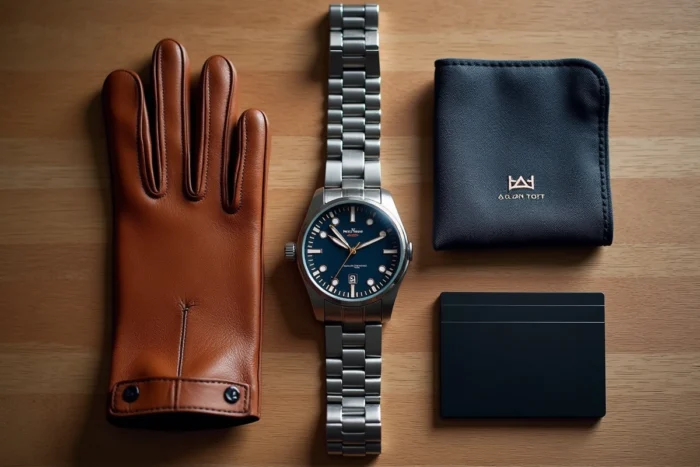
The same mechanism applies to accessories. Shoes, bags, and leather goods remain the most dynamic categories in the luxury market. Brands use collaborations to refresh these ranges without diluting their core identity. A few criteria distinguish a successful collaboration from a mere marketing stunt:
- The limited edition is based on real shared expertise between the two houses, not just a logo exchange
- The pieces offer a concrete use (outdoor functionality, daily comfort, clothing versatility) beyond rarity
- Distribution remains controlled, often in exclusive boutiques or online during a limited time slot, to preserve desirability
This last point explains why luxury shopping increasingly resembles a treasure hunt. Organized rarity stimulates consumer engagement well beyond the purchase itself.
Chinese market and Gen Z: two forces reshaping global luxury
China remains the global laboratory for luxury trends. Chinese consumers no longer settle for buying Western products. They demand that brands integrate local cultural codes into their collections and sales spaces.
This demand pushes houses to rethink their boutiques as living spaces. In Shanghai, Chengdu, or Shenzhen, retail spaces blend art galleries, tea rooms, and creative spaces. The luxury store becomes a cultural place as much as a point of sale.
Generation Z, in China as in Europe, accelerates this transformation. Several houses are reworking their heritage codes with more urban silhouettes to capture this young clientele.
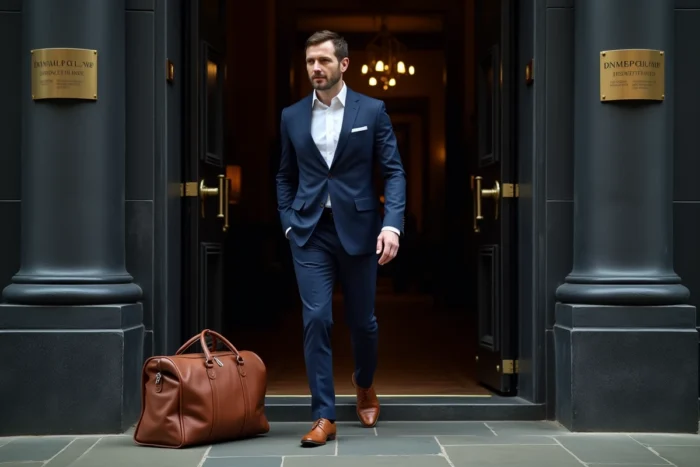
Why does this young clientele change the game? Because they evaluate a brand on three simultaneous criteria:
- The consistency between stated values and actual practices (transparency in production, environmental commitments)
- The quality of the digital experience, from the online shopping journey to after-sales service
- The brand’s ability to create a community, not just a customer base
Data collected in-store and online allows houses to adjust their collections almost in real-time. Personalized luxury now relies on fine analysis of purchasing behaviors, rather than just creative intuition.
Luxury hospitality and exclusive travel: the new playground for houses
The fastest-growing segment is neither fashion nor accessories. It is high-end travel experiences. Wealthy clients are allocating an increasing share of their budget to exclusive stays rather than accumulating products.
Hotel groups have understood this. In Asia and the Middle East, several openings of very high-end hotels are planned, with concepts blending gastronomy, wellness, and cultural immersion.
Fashion houses are following the trend. Hospitality and brand residences are becoming strategic growth drivers for groups like LVMH or Kering. A stay in a hotel branded by a fashion house extends the relationship with the client well beyond a visit to the boutique.
The product, space, and service are gradually merging into a single proposition. Some houses are already integrating cultural or artisanal experiences into their hotel offerings, extending the brand’s universe into the traveler’s daily life.
The luxury of 2026 is defined less by the price of an object than by the depth of the experience it provides. Brands that have integrated this into their model, from sensory pop-ups to hotel residences, are taking a lead over those that continue to rely solely on product rarity.